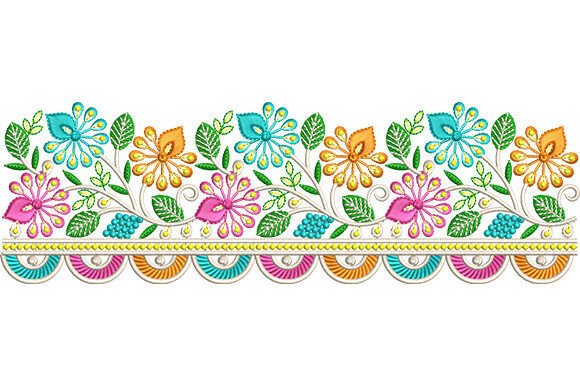
Floral Border Embroidery Design
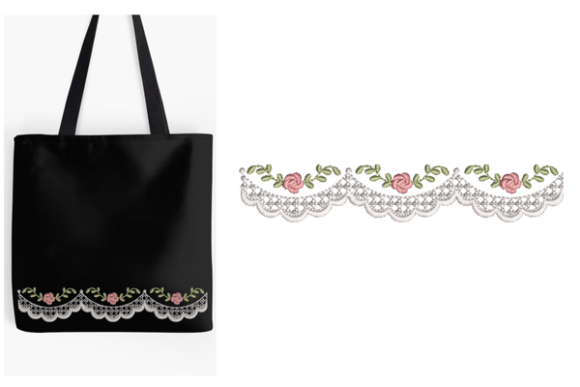
The Floral Border embroidery design is a timeless addition to any craft fair product or handmade item. With its elegant and charming aesthetic, it offers a versatile pattern that can elevate a wide range of fabric projects. Whether you're creating tote bags, aprons, or decorative pillow covers, this design has the potential to stand out in a crowded market.
First Impressions: A Touch of Elegance
From the first glance, the Floral Border exudes a sense of softness and refinement. It feels like a classic border that could easily be mistaken for hand-stitched work, but with the precision of a machine embroidery design. This makes it ideal for those looking to add a premium feel to their handmade products without sacrificing speed or efficiency.
Its delicate floral motifs suggest a rustic or farmhouse vibe, yet the clean lines and symmetry give it a modern edge. This duality makes it appealing to a broad audience, from eco-conscious buyers to those seeking vintage-inspired decor.
Performance on Different Products
On a tote bag design, the Floral Border adds a subtle sophistication that doesn’t overwhelm the overall look. It works well as an accent along the seams or as a central feature on the front panel. For apron embroidery, it can frame the edges or serve as a focal point, enhancing the visual appeal without complicating the design.
Tea towel embroidery benefits from the design’s elegance, making it a perfect fit for kitchen textiles. The same applies to fabric pouches and market bags—each becomes more desirable with the addition of this border. When used on caps or embroidered patches, the design maintains its charm while adapting to smaller formats.
For pillow covers and handmade gifts, the Floral Border can act as a statement piece, drawing attention and adding value to each finished product. Its versatility also makes it a great choice for printable mockups and Etsy listings, where visual appeal is key to attracting customers.
Selling and Production Considerations
One of the strengths of the Floral Border is how easy it is to understand at a glance. It doesn’t require intricate details that might confuse customers or complicate production. Whether used as a small accent or a larger focal design, it adapts well to different scales and applications.
Photographing the design for online listings is straightforward. The clear, defined elements ensure that it looks good in both close-ups and full-product shots. This is especially important for Etsy sellers and digital sellers who rely on high-quality images to drive sales.
When it comes to batch production, the design is repeatable and consistent. As long as the stitch density is appropriate and the hoop size is manageable, it should produce uniform results across multiple items. However, it’s essential to test the design on scrap fabric before committing to large runs.
Careful-Use Notes
While the Floral Border is generally user-friendly, there are a few considerations to keep in mind. Dense stitch areas may cause puckering on certain fabrics, so using the right stabilizer is crucial. Tiny details or small lettering could be lost if the design is scaled down too much, so it’s best to test at various sizes.
Thick fabrics or textured towels may require adjustments to the stitch density and thread colors to ensure clarity. Curved cap surfaces can be challenging, so careful placement and proper hoop size will help maintain the design’s integrity. On dark fabrics, the contrast between the design and the background should be checked to avoid a washed-out appearance.
Impact on Visual Appeal and Customer Engagement
The Floral Border enhances the visual appeal of any product it graces. Its presence can make a simple tote bag feel more special, turning it into a must-have for customers browsing a craft fair booth. This added value can justify a slightly higher price point, especially for small shop product owners aiming to build brand consistency.
Handmade quality is often judged by attention to detail, and the Floral Border supports that perception. When displayed on a booth sample or included in a printable mockup, it draws customer attention and encourages closer inspection. This engagement is vital for converting window shoppers into buyers.
Practical Designer Notes
As an experienced embroidery designer, I recommend testing the Floral Border on different fabric textures before finalizing your product line. Check the thread colors against the fabric to ensure they complement rather than clash. Review the spacing between elements to avoid overcrowding, especially on smaller items like patches or caps.
Confirming the correct hoop size is essential for smooth operation, and inspecting the stitch density ensures that the design won’t pucker or distort during use. Using the right stabilizer can make a world of difference, particularly on delicate or stretchy fabrics.
Creating at least one real mockup is a wise step—it allows you to see how the design looks in person and identify any issues before mass production. Comparing fabric colors and checking commercial licensing terms are also critical steps for anyone planning to sell finished products.
Ultimately, the Floral Border is a valuable addition to any embroidery file collection. With thoughtful application and attention to detail, it can become a staple in your craft fair product lineup, helping you stand out in a competitive market.