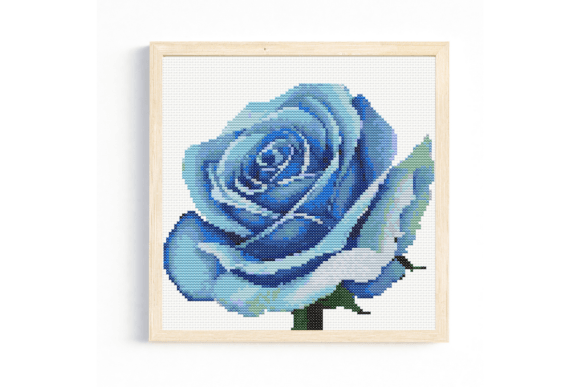
Blue Rose 1 Cross Stitch Pattern
The Blue Rose 1 Cross Stitch Pattern offers a unique blend of elegance and simplicity that can elevate small business merch, branded patches, and custom apparel. With its 102 x 93 stitches and approx 7.5 x 6.5-inch size when stitched on 14-count aida, this design is ideal for embroidery shops, handmade brands, and Etsy sellers looking to add a touch of sophistication to their product lines.
First Impressions: A Design with Character
From the moment you view the Blue Rose 1 Cross Stitch Pattern, it exudes a sense of professionalism and artistry. The black and white symbol chart, combined with whole stitches only, makes it accessible for both novice and experienced stitchers. This design feels like a classic emblem that could work well in a variety of settings—whether as a patch on a café apron, a logo on a tote bag, or an accent on a cap.
The simplicity of the pattern suggests a clean, modern aesthetic. It’s not overly intricate, which makes it adaptable for different fabric types and embroidery methods. Whether used on a rustic cotton tote or a sleek polyester uniform, the Blue Rose 1 Cross Stitch Pattern maintains its visual appeal without overwhelming the surface.
Real Business Use: Versatility in Action
For small business owners, the Blue Rose 1 Cross Stitch Pattern presents numerous opportunities. As an embroidered patch, it can be applied to staff uniforms, making it a great way to reinforce brand identity. On aprons, it adds a personalized touch that customers will recognize and appreciate. For cap embroidery, the design’s moderate size ensures visibility without crowding the front panel.
In tote bag design, the Blue Rose 1 Cross Stitch Pattern can serve as a subtle yet meaningful mark. It’s also suitable for custom apparel, such as work shirts or event merch, where a consistent visual element helps build customer trust. When used on product packaging or as a customer gift, it enhances the overall presentation of handmade products and reinforces the brand’s commitment to quality.
This cross stitch pattern is also a valuable addition to a digital embroidery file library. Its PDF download format allows for easy access and modification, making it ideal for printable mockups and commercial embroidery projects.
Where to Use with Caution
While the Blue Rose 1 Cross Stitch Pattern is versatile, there are certain scenarios where it may not perform optimally. On small patch sizes, the detail might get lost, so it’s best to test at reduced scales before production. For cap fronts or curved surfaces, the design’s structure may require adjustments to ensure even stitching and proper placement.
High stitch density can be an issue if the fabric texture isn’t compatible. Dark uniforms may also affect the visibility of the design, especially if the thread colors aren’t properly contrasted. Additionally, items that undergo frequent washing may need extra stabilizer support to maintain the integrity of the finished product.
Impact on Brand Identity and Customer Trust
Branding is all about consistency and recognition, and the Blue Rose 1 Cross Stitch Pattern can play a key role in that. When used across different merchandise—such as apron embroidery, tote bag design, or custom apparel—it creates a cohesive look that strengthens the brand’s visual presence. This consistency builds customer trust and reinforces the perception of professionalism.
As a handmade product, the design also supports the artisanal value of small business merch. It gives buyers a tangible connection to the craftsmanship behind their purchases, which is crucial for Etsy sellers and craft businesses. The use of DMC floss further enhances the premium feel, making it a desirable choice for boutique merchandise and product labels.
Practical Embroidery Designer Notes
Before finalizing the Blue Rose 1 Cross Stitch Pattern for commercial use, it’s essential to conduct several tests. Start by using it in black and white to assess how it translates to different fabric types. Check if the design works at small patch sizes, and review the thread color contrast to ensure visibility on various backgrounds.
Inspect the spacing between elements to avoid overcrowding, and confirm the hoop size required for your embroidery machine. Testing on real fabric is crucial, as different materials can affect the outcome. Using the right stabilizer will help maintain the design’s shape and prevent distortion during the stitching process.
Creating a printable mockup for client approval is a smart step, as it allows for feedback before mass production. Compare the Blue Rose 1 Cross Stitch Pattern with other design assets to ensure it aligns with your brand’s overall style. Finally, verify the commercial licensing terms before using it for small business merch or any paid projects.
Conclusion: A Valuable Asset for Creative Businesses
The Blue Rose 1 Cross Stitch Pattern is more than just a decorative design—it’s a practical tool for small business owners, embroidery shops, and handmade brands. Its adaptability, clean aesthetic, and ease of use make it a strong candidate for branded patches, custom apparel, and product labels. With careful consideration and proper testing, it can become a key part of your design assets and a reliable choice for commercial embroidery projects.
Whether you’re creating small business merch for a local café or designing embroidered patches for a boutique, the Blue Rose 1 Cross Stitch Pattern offers a balance of style and functionality that can enhance your brand’s image and customer engagement.